Call Us : +65-8555-6150
Mail Us : contact@virelmodixa.com

Call Us : +65-8555-6150
Mail Us : contact@virelmodixa.com
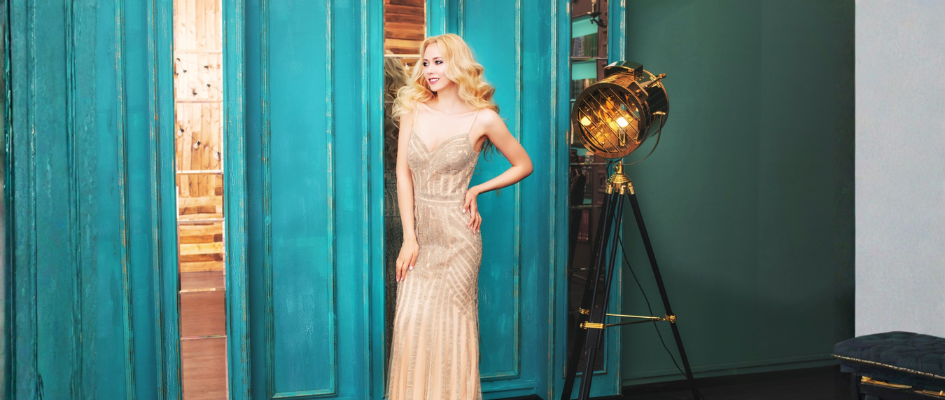
In an era of conscious consumption, a valuable item in your closet is not the one that makes the loudest statement, but the one that offers much flexibility. We often fall into the trap of thinking a specific garment is reserved for a single type of event, yet the true potential of a well-made dress lies in its ability to be reinvented.
Mastering the art of styling one piece in various ways is the ultimate secret to a streamlined and functional wardrobe. So, this guide explores the logic of transformation, showing you how to take a foundational dress and adapt it for every environment through the thoughtful application of layers, footwear, and perspective.
When your goal is a professional appearance, the key is to introduce structure for your dress. A fluid mini or a classic shift can be quickly elevated by adding a tailored blazer or a structured cardigan.
This creates a clear silhouette that communicates authority and attention to detail. Focus on a tonal approach; pairing a charcoal dress with a slate jacket creates a sophisticated monochromatic look that is right for meetings or office hours.
In this setting, your footwear should follow the suit, with a polished loafer or a closed-toe flat providing a grounded and reliable finish to the ensemble.
The professional transition is also about the subtle details. Adding a slim leather belt can define the waist and provide a more architectural feel to a soft fabric. Keep your accessories minimal and purposeful, ensuring that the dress acts as a quiet backdrop to your work.
By introducing these structural elements, you change the energy of the garment from relaxed to refined. This proves that you don’t need a separate “work wardrobe” when you have a versatile piece that can be molded to fit the demands of a professional landscape with just a few intentional adjustments.
Taking that same dress into a casual weekend or afternoon setting requires a complete shift in texture and scale. The goal here is to remove the formality and embrace a more approachable, lived-in feel. One effective way to do this is by layering a relaxed knit sweater or a denim jacket over the dress.
This breaks up the continuous line of the garment and introduces a sense of effortless comfort. Pairing the look with a slim-profile sneaker or a flat leather slide quickly signals a change in pace, making the outfit appropriate for a coffee run or a stroll through a local gallery.
For a truly relaxed aesthetic, consider the “dress-as-a-skirt” technique. By placing a loose-fitting tee over your dress, you can create a completely new shape that feel fresh and spontaneous.
This layering method is particularly useful during seasonal transitions when the temperature fluctuates throughout the day. The focus in a casual setting is on tactile comfort and mobility. By stripping away the rigid layers of the office and replacing them with soft, flexible materials, you allow the dress to reflect your personal time.
It becomes a tool for relaxation, showing that high-quality designs can be both sophisticated and incredibly easy to wear.
As the sun sets, your styling strategy should move toward punctuation and depth. To prepare your dress for a social gathering or a dinner, focus on the power of the final touch. This is the time to introduce a bit of hardware or a unique texture, such as a metallic clutch or a pair of architectural earrings.
The dress remains the same, but the surrounding elements become more decorative. Swapping your daytime flats for a sleek mule or a delicate sandal with a manageable heel changes your posture and the overall shape of the fabric.
Light also plays an important role in evening style. Choosing accessories with a subtle sheen can catch the light and add a layer of sophistication to a neutral dress. If the evening is cool, a soft pashmina or a lightweight trench provides necessary warmth without hiding the silhouette.
The logic of the evening transition is about refining the edit; you are moving from the broad utility of the day to the focused elegance of the night. By making these deliberate choices, you prove that a single, well-chosen dress can carry you through a 16-hour day with total poise and aesthetic consistency.
A versatile dress should not be hidden away just because the forecast changes. Adapting a piece for different seasons is a hallmark of a sustainable and clever rotation. In the colder months, the dress becomes a base layer of warmth. You can pair it with thick thighs and a sturdy leather boot to ground the look against the elements.
Adding a turtleneck underneath or a heavy wool coat on the upper creates a layered ensemble that feels substantial and protective. The fluidity of the dress provides a beautiful contrast to the heavier textures of winter wear, keeping your style feeling light and intentional.
When the warmth of the spring arrives, the dress can stand alone. This is the time to experiment with open silhouettes and lighter footwear. The absence of heavy layers allows the drape of the material to be the primary focus. By understanding the weight and movement of your fabric, you can navigate these seasonal shifts with ease.
A silk or high-grade cotton dress is particularly effective for this, as it breathes during the heat and acts as a smooth base for layering when the temperature drops. This year-round utility ensures that your favorite piece remains a constant companion regardless of the month.
To successfully style one dress in multiple ways, the garment must be kept in pristine condition. Because it is being used in various contexts, it is susceptible to more frequent wear. Developing a routine of regular steaming and cautious storage is essential.
Using high-quality hangers ensures the shoulders do not lose their shape, while keeping the dress in a breathable garment bag protects the fabric from dust. By maintaining the integrity of the material, you ensure that the dress looks just as sharp at a formal dinner as it did during its first morning at the office.
Regularly assessing your accessories is also part of this maintenance. Ensure your belts, shoes, and layers are organized and ready to be integrated. When your styling tools are accessible, the process of reinventing your dress becomes a joyful creative exercise rather than a chore.
This organization allows you to see the possibilities within your collection, encouraging you to push the boundaries of how you wear a single item. A well-maintained dress, combined with a curated selection of secondary pieces, is the foundation of a wardrobe that is both lean and powerful.
The ability to style a single item in multiple ways is a testament to the power of the edit. It requires you to look past the initial purpose of a garment and see it as a versatile canvas. This mindset discourages impulsive shopping and promotes a deeper connection with the items you already own. Every time you find a new way to wear your dress, you are extending its life and refining your personal aesthetic.
It is a move away from the wear once culture toward a more sustainable and fulfilling relationship with fashion. By focusing on the potential of a single piece, you build a wardrobe that is defined by quality and intelligence.
Mastering the versatility of a single dress is actually an exercise of mental clarity. It shows an understanding of your own needs and a respect for the craftsmanship of your clothing. By following a clear logic of layering and accessorizing, you can remove the stress of having nothing to wear and replace it with well-planned dresses.
This approach to dressing is not just about fashion; it is about organization and confidence. It allows you to move through every occasion with the knowledge that you are prepared, polished, and ideally styled.